Insight that opens the way. Relationships that heal. Change that endures.
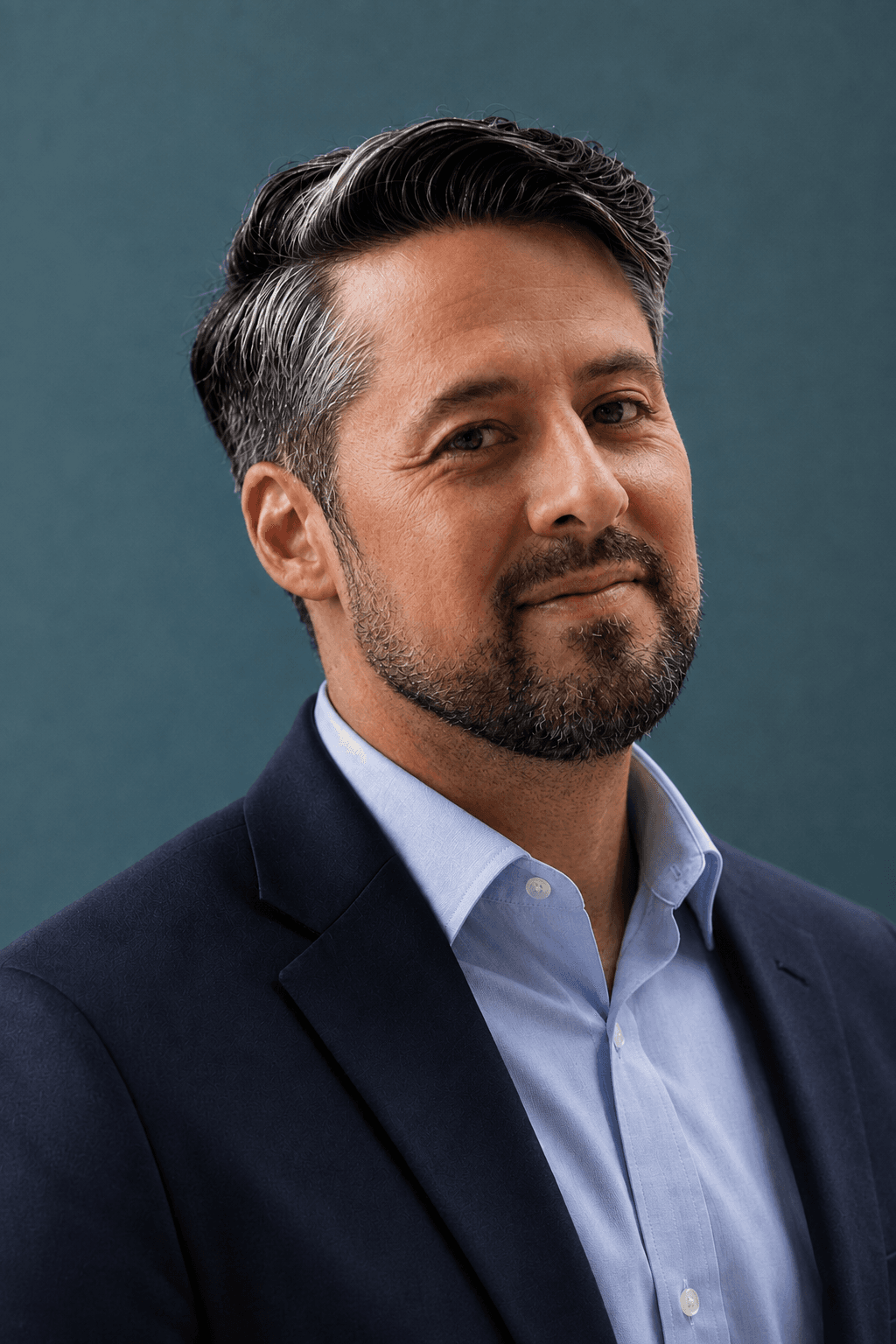
Ryan W. Parrish
A clinical psychology graduate student and psychotherapist-in-training, working on what produces durable psychological change, and on the systems that surround that care.
My clinical thinking is psychodynamic and attachment-based. My working life is inside behavioral health operations, where I design the workflows and infrastructure clinicians actually use. In both, I’m interested in how complex systems develop, where they get stuck, and what helps them change. With people, though, change is inseparable from emotion, attachment, and human connection.
Three themes I keep returning to
01
Interrupting intergenerational patterns
Attachment patterns and defensive ways of relating can move quietly from one generation to the next. I’m interested in helping people recognize what they inherited, understand how it still shapes them, and begin to respond differently.
02
Relationships different from what we inherited
Breaking a cycle is not only about recognition. It is about building new ways of communicating, repairing, tolerating emotion, and staying connected when the relationship is under strain.
03
Change that holds
Symptom relief matters, but I’m most interested in durable change: the deeper shifts that help people relate more securely, tolerate emotion more fully, understand themselves more clearly, and respond differently over time.
Strong clinical care is easier to sustain when the surrounding systems work well
Good clinicians work inside referral pathways that fail people, documentation tools that fight them, and reporting that tells them little. I spend my working days on that layer: clinical operations, workflow design, and treatment-delivery infrastructure. I think carefully about where technology, including AI, should and should not be involved.